A $28,860-a-year sales assistant, sued over her phone contacts
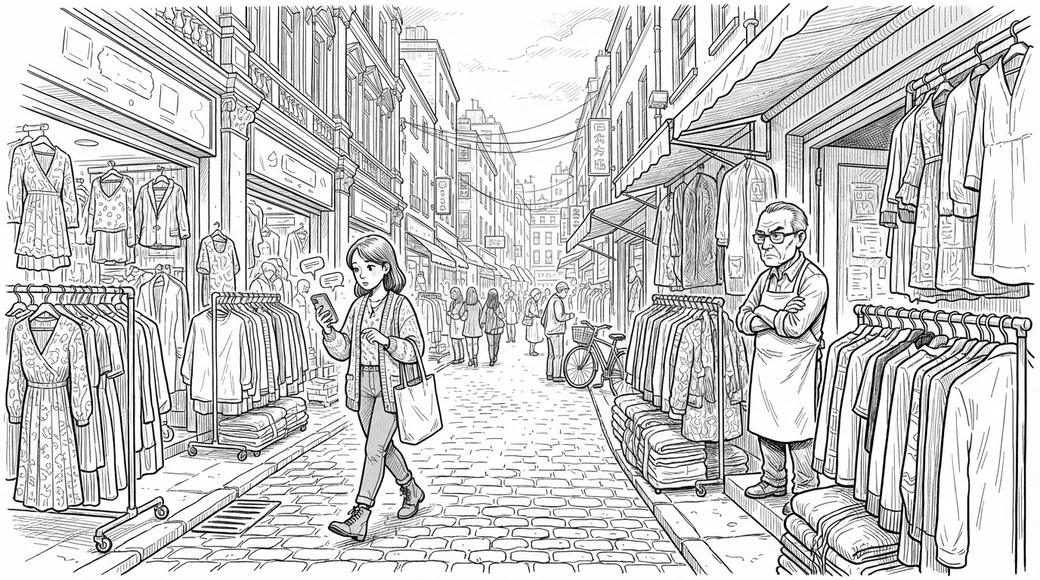
Ms Dong started as a full-time sales assistant at Luvalot Clothing's showroom on Kippax Street in Surry Hills on 31 July 2012, on a salary of $28,860 a year. She had no work phone, so she used her own mobile and WeChat to send buyers photos of new stock. In January 2017, while on unpaid maternity leave, she resigned. In June 2017 she started as sales manager at Sasha, another wholesaler on the same street.
When she resigned, Luvalot's founder messaged her that she had been 'stabbed in the back' and that it was 'easy to come to find you'. The court later found those messages were meant to threaten her with legal action. Luvalot then sued, saying she had misused its confidential customer list and broken a clause stopping her from dealing with its customers after she left.
Justice Anderson rejected the confidentiality claim. Luvalot could not say precisely what its 'Customer Details List' was. Its customer records sat on office computers with no password that any staff member could open, and Luvalot published some customers' names on its own website. On Kippax Street, the court found, buyers were well known to the wholesalers along the street and their numbers could be found with a basic Google search. The customers Ms Dong remembered from more than four and a half years of serving them were part of her own general skill and knowledge.
The restraint failed too. Barring a junior employee on $28,860 from working in wholesale clothing for 12 months, or even six, went well beyond protecting Luvalot's customer relationships, the court held, and the clause was invalid. The judge added that a restraint of no more than two months would have been acceptable. Luvalot's claim was dismissed and it was ordered to pay Ms Dong's costs.
A contract that calls customer lists confidential does not turn every name and number into a secret. Where customers are well known in the trade and you simply remember them, a court may treat that as your own know-how, and a long restraint on a junior worker is hard for an employer to justify.
Ms Dong worked in New South Wales, so the Restraints of Trade Act 1976 (NSW) applied. The judge's view that two months would have been acceptable was a passing remark, not an order: Ms Dong had not applied to have the clause cut down. She first emailed customers for Sasha about four months after her employment with Luvalot ended.
A published decision of the Federal Court of Australia, retold in plain English. Lawcaptain did not act in this case. Every outcome depends on its own facts. General information, not legal advice about your situation.
Talk to us.
Call 1300 967 552, or leave your details and we will call you.
Restraints and confidentiality
 A 17-year insider, a 'Secret Group' chat and a rival businessFederal Court of Australia · 2 July 2021Read the case study
 A CFO's move to Cotton On, and a restraint naming 50 rivalsSupreme Court of Victoria, Court of Appeal · 20 December 2016Read the case study
 Two advisers, a friendly text and a $270,593.60 judgmentFederal Court of Australia · 23 May 2025Read the case study