Years past the deadline, she still got 100% of the pool
- Together
- About 10 years, de facto
- Children
- Three, living with her
- Net pool
- About $618,000
- Split
- 100% her / 0% him
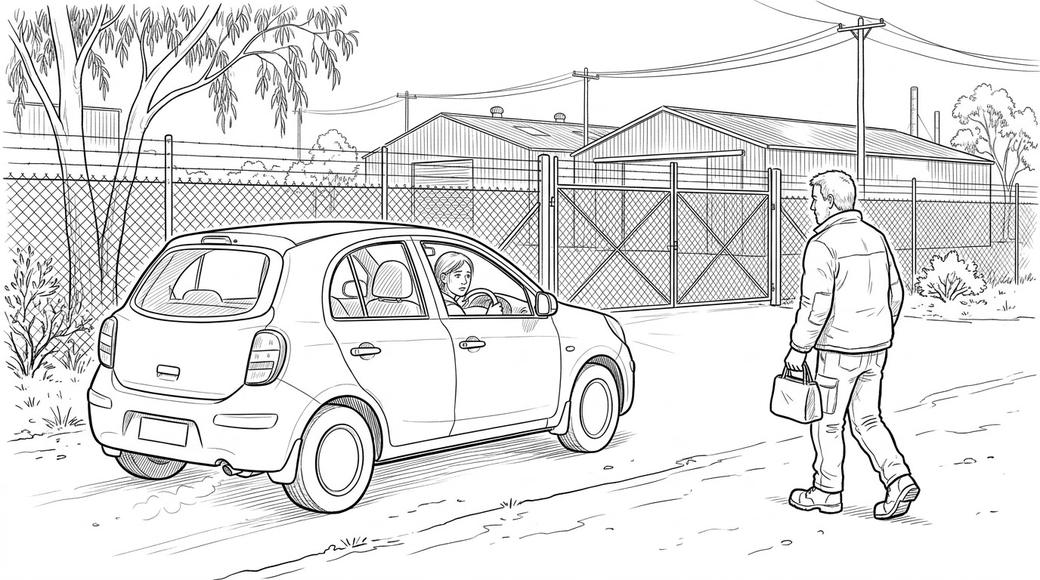
Ms Arshad was still a teenager, and Mr Miata in his early twenties, when they began living together in 2000. They had three children and separated for the last time in June 2010. She held paid jobs during the relationship. He had periods out of work and periods in prison. In 2006 they bought a home in joint names for $281,000. She paid the deposit and most of the mortgage, while he regularly redrew on it.
For the next ten years she stayed in the home with the children and paid the mortgage alone, cutting it from $214,844 to $72,508. He fell well behind on child support. A de facto partner normally has two years after separation to apply for property orders. She applied in May 2019, almost nine years after they separated and years out of time. She said she had been too frightened of him to start proceedings, and had not had the emotional or financial resources to do so while raising three children on her own.
Mr Miata did not take part, so her evidence was uncontested. Judge Obradovic found the family violence she described was proven. The hardship of refusing her was plain: she had sole care of the children and had kept the home going by herself, and it would be "manifestly unjust and inequitable" to refuse her leave. The judge inferred that the violence had made her contributions as homemaker and parent more arduous, even though her evidence did not spell out its impact.
The judge left out what she had acquired since separation, including her car, a new super fund and her savings. That left a pool of $617,688, most of it the equity in the home. Contributions were assessed at 85% to her and 15% to him. A further 15% for future factors, including the children living with her and his child support arrears, took her to 100%. He had to transfer his share of the home to her, and she took over the mortgage.
The time limits for property claims are strict, but a court can allow a late claim where refusing it would cause real hardship. Proven violence that made a partner's contributions harder can also increase their share.
This case was decided before 10 June 2025. Under the amended Family Law Act 1975 (Cth), the effect of family violence is now an express consideration in property cases, including de facto cases. The two-year time limit for de facto property claims, and the power to allow a late claim, are in s 44(5) and s 44(6).
A published decision of the Federal Circuit Court of Australia, retold in plain English. Lawcaptain did not act in this case. Every outcome depends on its own facts. General information about Australian family law, not legal advice about your situation.
Sort out your own property split.
Agreed on a split? Make it binding with consent orders. Call 1300 967 552, or get an instant quote online.
Unusual outcomes
 He redrew $622,500 and stayed away from court: 80% to herTogetherAbout 12 years, de factoChildrenOne son, living with herNet poolAbout $2.84 millionSplit80% her / 20% himFederal Circuit and Family Court of Australia (Division 1) · 15 September 2021Read the case study
 Her capital bought the business, his work rebuilt it: 83/17TogetherAbout 8 years, de factoChildrenEach had children beforeNet poolAbout $8.2 millionSplit83% her / 17% himFederal Circuit and Family Court of Australia (Division 2) · 28 April 2023Read the case study
 A $15 million pool, her parents' gifts and his career: 65% to herTogether18 years, marriedChildrenTwo teenagers, with herNet poolAbout $15.4 millionSplit65% her / 35% himFederal Circuit and Family Court of Australia (Division 1) Appellate Jurisdiction · 30 June 2023Read the case study