Sent home on garden leave, then a 12-month ban cut in half
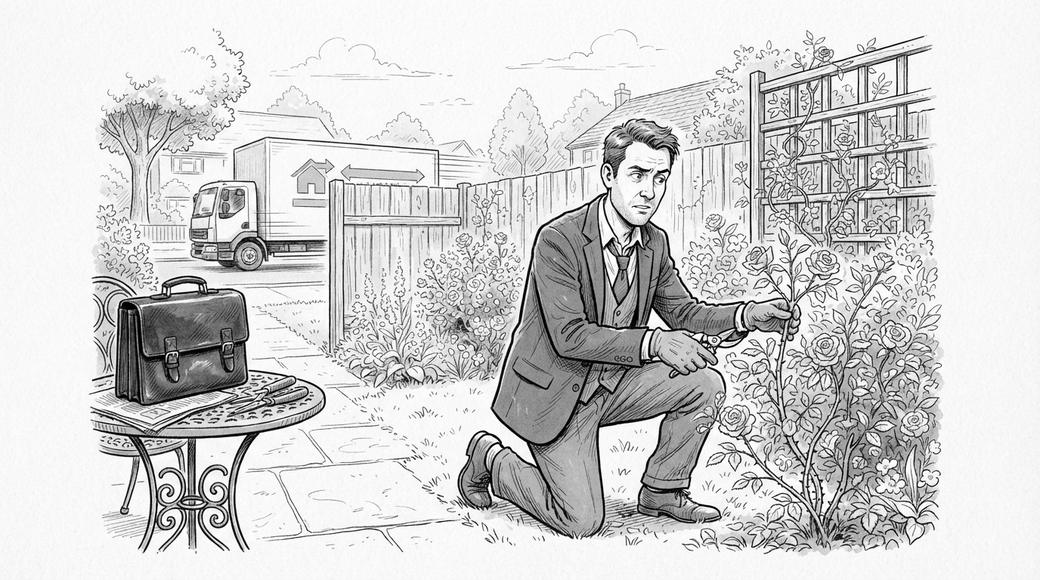
Steve Alves joined Grace, a removals and storage business with 55 storage facilities across Australia and New Zealand, in January 2010. By 2017 he was its General Manager Operations, on a base salary of $205,000. On 10 July 2017 he signed on as chief executive of Kent, which the court accepted was Grace's 'direct and major competitor', and resigned the same day. His contract required three months' notice and barred him from working for a competitor for 12 months.
Grace put him on 'garden leave' for the three months: full pay, but no office, no customers and no company phone. It also accused him of copying confidential files after he resigned, an allegation it withdrew during the hearing when its own computer evidence could not support it. Mr Alves argued that Grace's conduct had ended the contract and freed him from the restraint.
Justice Slattery disagreed. Grace was entitled to send him on garden leave: his job was not unique, and working out his notice would not have earned him a bonus anyway. Asking for the phone back, and making then dropping the allegations, did not end the contract either. The judge also described Mr Alves as 'an impressive witness'.
But 12 months was more than Grace needed. Mr Alves knew its price points and rebates, which the judge thought would lose their significance after about six months, and he was the public face of Grace to customers in his area. Using the Restraints of Trade Act 1976 (NSW), the court read all the restraints down to six months, ending on 9 January 2018. That ran from his notice, so it overlapped his paid garden leave. As the judge put it, Grace upheld its restraint, and Mr Alves had it cut by about half.
If you resign to join a competitor, your employer may be able to keep you at home on full pay for your notice period. In New South Wales a court can also cut an over-long restraint down rather than strike it out, so a shorter version may still bind you.
The judge said the 12-month restraints would have been void at common law; they survived only because the Restraints of Trade Act 1976 (NSW) let the court read them down to six months. Other states have no equivalent statute.
A published decision of the Supreme Court of New South Wales, retold in plain English. Lawcaptain did not act in this case. Every outcome depends on its own facts. General information, not legal advice about your situation.
Talk to us.
Call 1300 967 552, or leave your details and we will call you.
Restraints and confidentiality
 A $28,860-a-year sales assistant, sued over her phone contactsFederal Court of Australia · 28 November 2022Read the case study
 A 17-year insider, a 'Secret Group' chat and a rival businessFederal Court of Australia · 2 July 2021Read the case study
 A CFO's move to Cotton On, and a restraint naming 50 rivalsSupreme Court of Victoria, Court of Appeal · 20 December 2016Read the case study