She signed a deed in 2008, then spent a decade trying to undo it
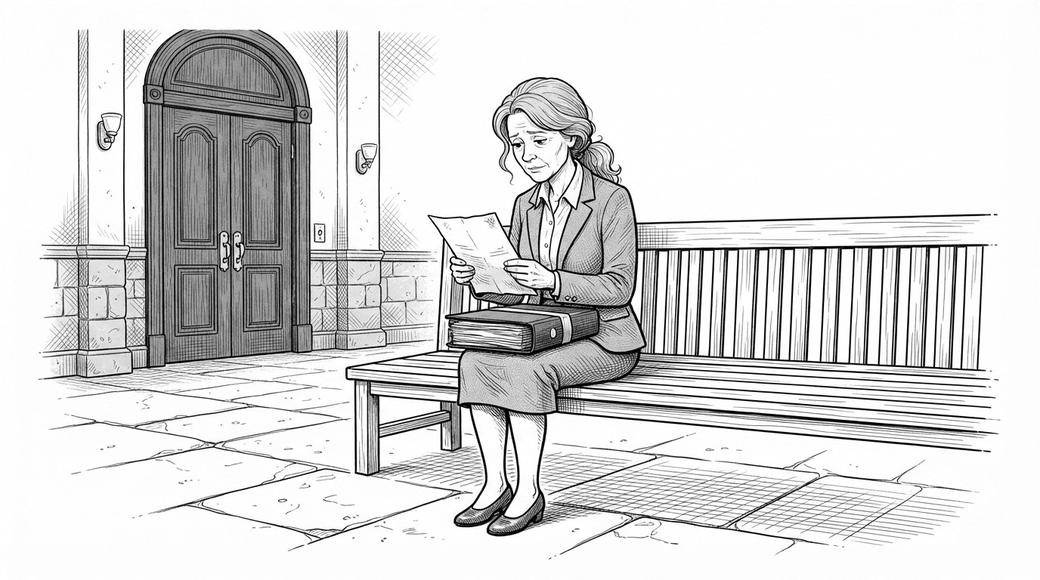
Sara Rossi was a long-haul flight attendant with Qantas from 1988 until 2003, when she took voluntary redundancy. In 2006 she made a workers' compensation claim for a psychological injury she said was caused by her work. Qantas denied it, and the case was listed for trial in late 2008.
Shortly before a settlement conference, the psychiatrist assessing her for her own lawyers revised his view of how much of her illness was work-related, which put her claim in 'severe peril'. At the conference Qantas offered $50,000. Two days later, after her lawyer read his written advice to her, Qantas raised the offer to $75,000 plus $40,000 for legal costs. With her lawyer and barrister at the conference, she signed a deed releasing Qantas from all claims arising from her employment.
She was distressed that evening and later refused the money. A decade on she lodged a discrimination complaint about her time at Qantas. To pursue it, she first had to have the 2008 deed set aside, and she argued she had lacked the mental capacity to make it.
The Full Court said the test is whether she could have understood the general nature of the deal if it had been explained to her. This deed was simple: she would be paid, the case would end, and she could bring no further claim. 'That is not a complex concept.' The evidence showed she had understood the offer and the psychiatrist's revised view, and had asked about the confidentiality term so she could talk to her family. Even her own expert psychiatrist accepted she could understand the deed's general nature.
The trial judge had accepted she was suffering from depression and felt distress. But being unwell and upset is not the same as being unable to understand what you sign. The appeal was dismissed, with costs.
The test is whether you could understand the general nature of the deed if it were explained to you; feeling unwell, upset or pressured is not enough on its own. If you are unwell or overwhelmed, say so and ask for more time before you sign.
The deed was tested under the Victorian court rules on compromises by a person under a disability; the Full Court said the same principles apply at general law ([31]).
A published decision of the Full Court of the Federal Court of Australia, retold in plain English. Lawcaptain did not act in this case. Every outcome depends on its own facts. General information, not legal advice about your situation.
Dismissed? Know what your case is worth.
The Employment Case Review checks your facts against real decisions like this one.
For employees in the Fair Work system. Employed by a WA sole trader, partnership, State agency or council? The review isn't for you — see the WA state system.
Settlement deeds
 Told his job was redundant, he signed an 8-page deal on the spotFair Work Commission · 8 July 2025Read the case study
 He agreed the money, but not the release, so there was no dealFair Work Commission · 11 July 2023Read the case study
 She settled at conciliation, then refused to sign the paperworkFair Work Commission · 18 May 2022Read the case study