They kept their money separate, so the court made no order
- Together
- Over 4 years, de facto
- Children
- None together
- Net pool
- About $1.6 million
- Result
- Her claim dismissed
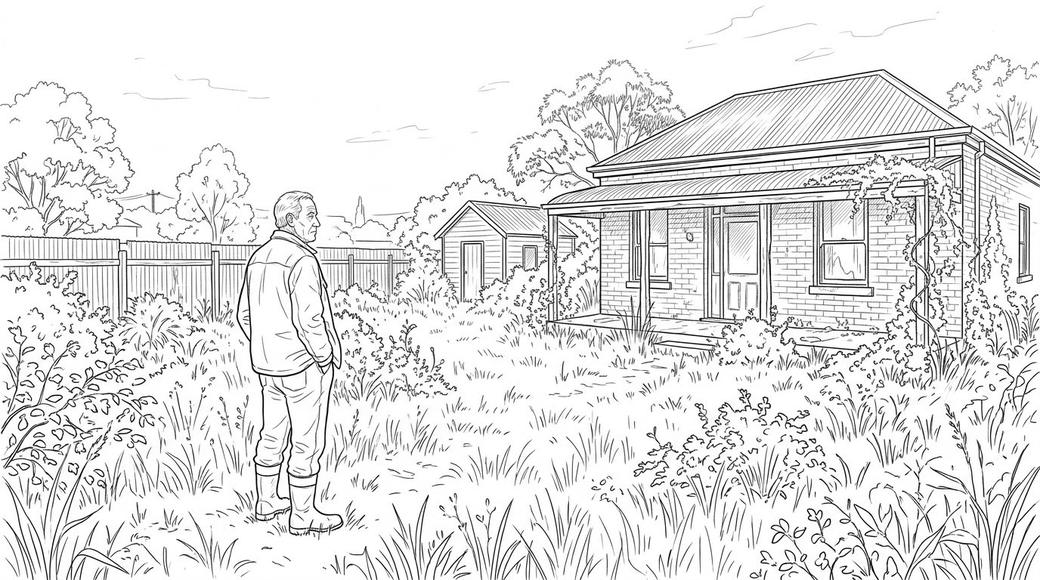
Ms McClain and Mr Heath met in 2008. Both had been married before and both were in modest financial circumstances. In late 2010 she moved into his childhood home near Sydney, where he had returned to care for his elderly father. His father charged them no rent and paid most of the bills. Apart from a separation for most of 2012, they lived there together until February 2016, a little over four years in all.
They kept their finances separate. They had their own bank accounts, opened no joint account and bought nothing together. At separation each of them owned less than $50,000, including super. Later in 2016 his father died, and he inherited the home, which was worth $1.6 million by the time of the trial.
She first asked for $300,000. By the end of the hearing, her counsel asked for 5% of the home, $80,000. She pointed to the cleaning she had done when they moved in, her housework and the help she gave his father. Mr Heath asked the court to dismiss her application.
Judge Betts accepted that she had made contributions, including many hours cleaning mould from the house, but found her evidence unreliable in several respects and her financial contributions only a modest fraction of what she claimed. Their living costs had largely been subsidised by his father. The judge found that the contributions each had made were already reflected in what each owned. The judge also declined to adjust for her much weaker financial position, saying that ordering him to pay her a sum on that ground alone would be arbitrary.
Applying the High Court's approach in Stanford, the judge started from what each already owned. He was the sole owner of a home his parents had bought before he was born, and he inherited it only after they separated. Two mature people had agreed to stay financially independent, and the judge found it would not be just and equitable to let them depart from that. Her application was dismissed.
A court will not divide property just because a couple lived together. Where partners keep separate finances and one inherits after separation, the court may decide that no order should be made at all.
This case was decided before 10 June 2025. Amendments to the Family Law Act 1975 (Cth) from that date set out the steps of a property case in the Act, but kept the requirement that an order be just and equitable.
A published decision of the Federal Circuit and Family Court of Australia (Division 2), retold in plain English. Lawcaptain did not act in this case. Every outcome depends on its own facts. General information about Australian family law, not legal advice about your situation.
Sort out your own property split.
Agreed on a split? Make it binding with consent orders. Call 1300 967 552, or get an instant quote online.
Short relationships
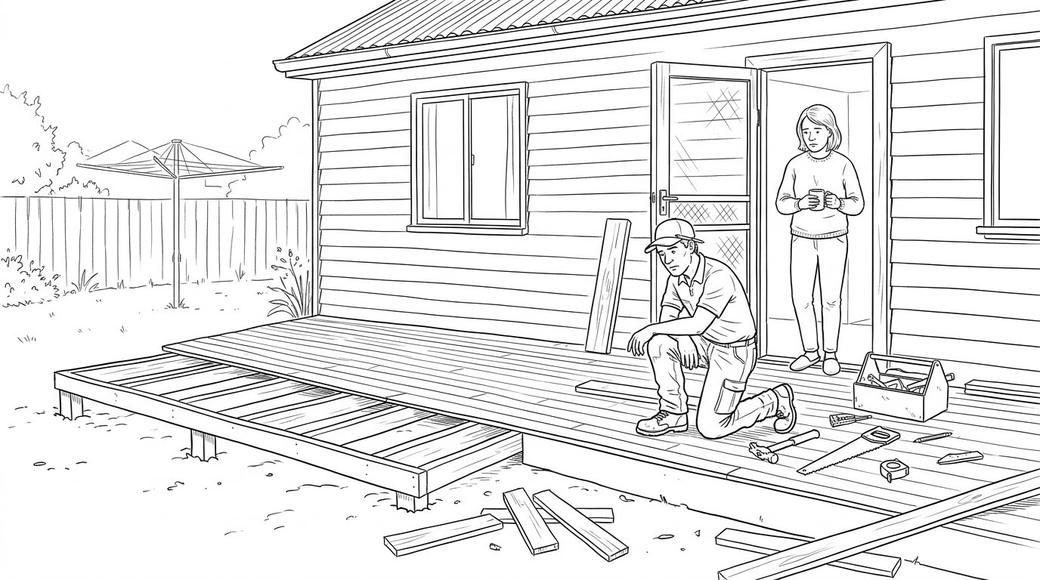 She brought the house, he paid and renovated: 70/30 after four yearsTogetherAbout 4 years, de factoChildrenOne togetherNet poolAbout $540,000Split70% her / 30% himFederal Circuit and Family Court of Australia (Division 2) · 18 December 2023Read the case study
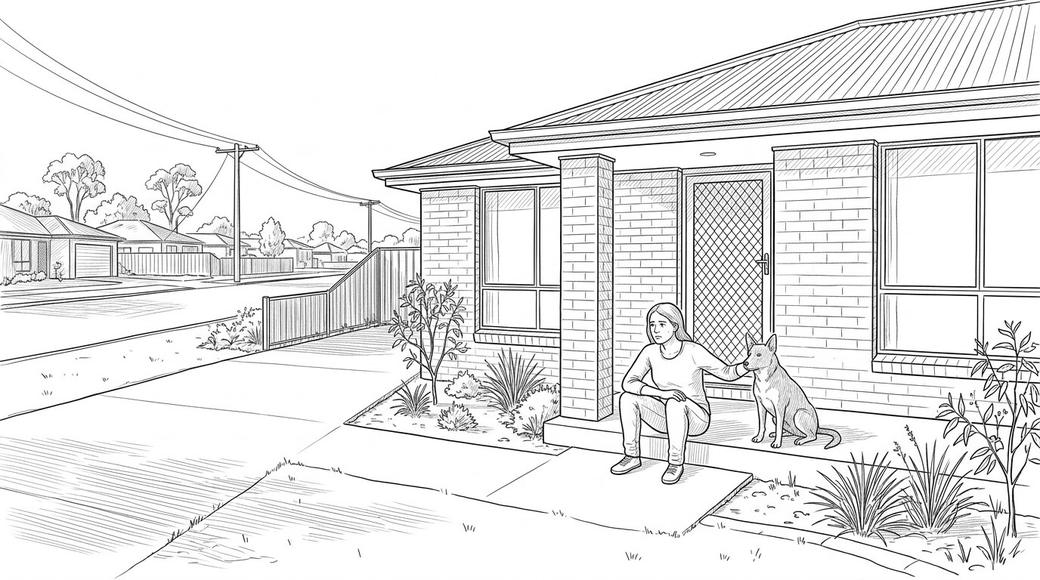 A $150,000 pool, a gambling problem, and who keeps the dogTogether4 to 5 years, de factoChildrenNoneNet poolAbout $152,000Split82% her / 18% himFederal Circuit and Family Court of Australia (Division 2) · 5 August 2022Read the case study
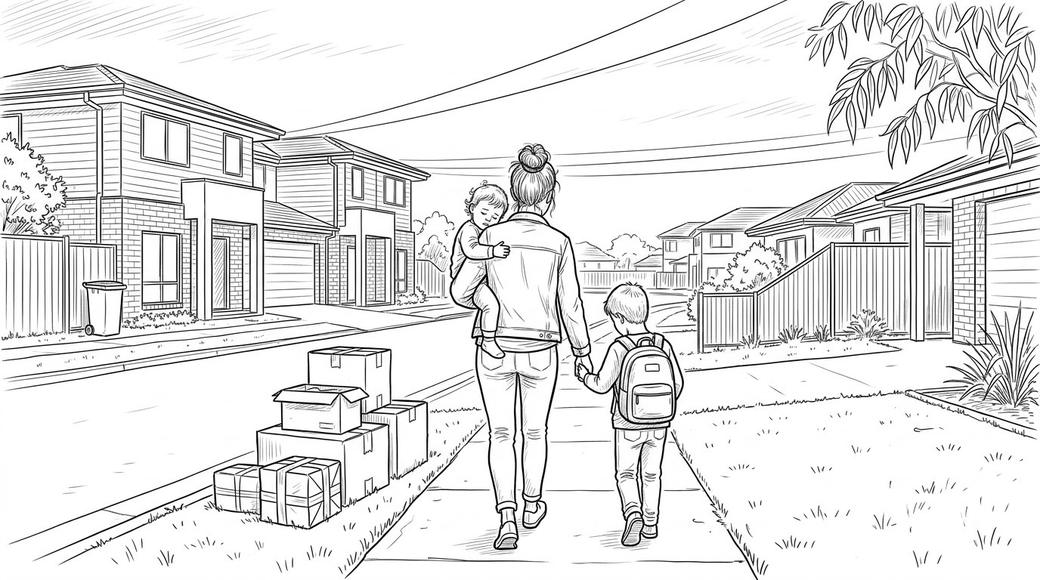 Under three years, a toddler, and his house bought before they metTogetherUnder 3 years, de factoChildrenOne, aged 3Net poolAbout $924,000Split15% her / 85% himFederal Circuit and Family Court of Australia (Division 2) · 24 December 2025Read the case study