Aircraft orders collapsed, and the redundancy went by the book
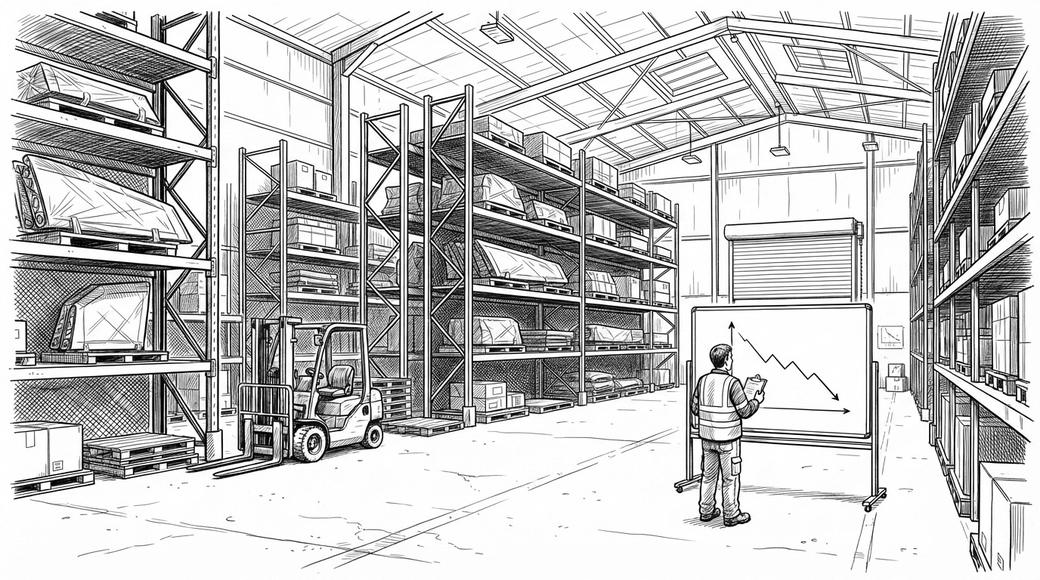
Michael Phillips was a materials handler in the warehouse at Boeing Aerostructures Australia's Port Melbourne plant, which makes flight control parts. He had worked there since July 2013. Then COVID-19 hit. Orders for Boeing aircraft fell sharply, and for one program the plant went from 50 monthly sets of parts to two. Since May 2020 the company had made several hundred positions redundant.
The enterprise agreement laid down a detailed process. Workers in each group were scored by two managers, with HR and the union watching. In August 2020 Mr Phillips was told materials handler jobs would drop from twelve to nine. He was not picked in that round. When production fell again, he had the lowest remaining score. He appealed and two of his scores went up, but his ranking did not change. He tried the agreement's "mix and match" swap process and was found unsuitable.
Mr Phillips said he had been targeted because he spoke up about safety. He also argued Boeing should have brought back in-house the "pin cleaning" work done by a contractor and given it to him.
The Commission rejected both arguments. It found "no substance" to the targeting claim: the company had commended his safety work, and the manager's scores were explained. Consultation under the agreement had been followed. Pin cleaning had been outsourced in 2016, and the company gave reasons including fatigue and injuries; the Commission found those reasons were sound. And there was only about 20 to 25 hours of that work a week. It would not have been reasonable to expect Boeing to give him part of a part-time role. The redundancy was genuine, and the claim was dismissed. He left with 44 weeks' severance pay under the agreement.
A redundancy run through a fair, agreed process, with scoring, a right of appeal and real consultation, is hard to challenge. A belief that you were singled out needs evidence behind it.
Part of the reasoning here was that work done by a contractor is not work "within the employer's enterprise" for redeployment purposes ([41]). In Helensburgh Coal Pty Ltd v Bartley [2025] HCA 29 the High Court has since held that whether an employer could reasonably have reduced its use of contractors to free up work is relevant to redeployment. That part of this decision should be read with the High Court's decision in mind. The separate finding that there was not enough pin-cleaning work for a job rested on the facts.
A published decision of the Fair Work Commission, retold in plain English. Lawcaptain did not act in this case. Every outcome depends on its own facts. General information, not legal advice about your situation.
Dismissed? Know what your case is worth.
The Employment Case Review checks your facts against real decisions like this one.
For employees in the Fair Work system. Employed by a WA sole trader, partnership, State agency or council? The review isn't for you — see the WA state system.
Redundancy
 Fifteen years as the first salesman, then an Uber homeFair Work Commission (Full Bench) · 7 July 2026Read the case study
 He said no to a new role and lost 16 weeks' redundancy payFair Work Commission · 19 September 2025Read the case study
 One armoured-van guard picked from 70, and no one could say whyFair Work Commission · 18 December 2018Read the case study