She complained of harassment, then her boss accused her of theft
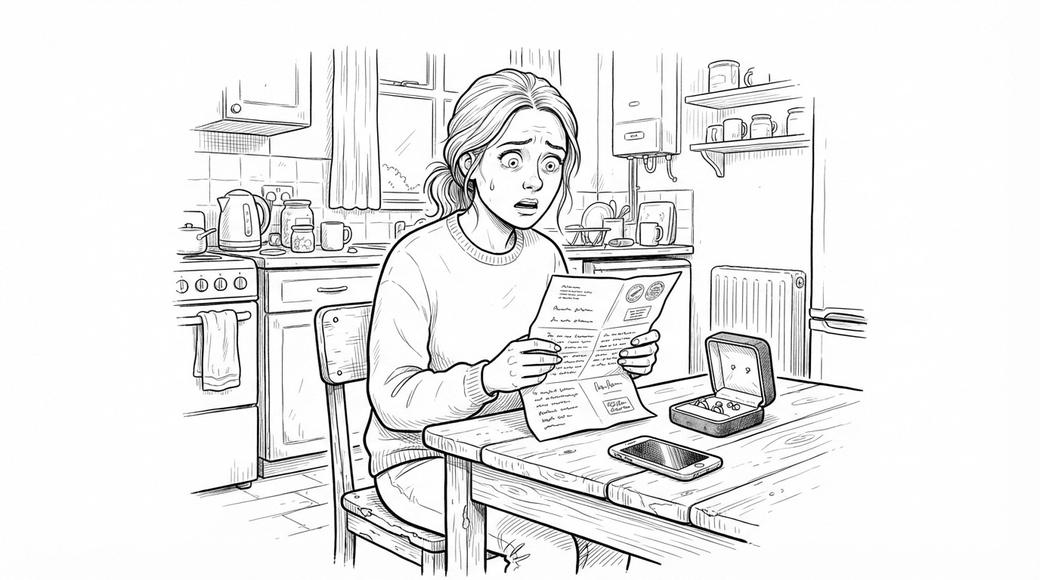
Fiona Taylor joined Grew & Co, a small Sydney fine-jewellery business, in January 2018 and became its production manager. She shared an office with the owner and sole director, Simon Grew, reported directly to him, and felt she had found her dream job. There was no human resources person: any problem had to be raised with Mr Grew.
In January 2020 he told her he had developed feelings for her. She said she did not feel the same way, and before a work trip she wrote to him to set boundaries. In June 2020, after driving her home, he raised it again; on her account, he asked whether they were “going to become something”. The next morning she had to pull off the road, crying uncontrollably. By August she had stopped going to work.
Through her lawyers she complained of sexual harassment, then complained to the Australian Human Rights Commission. His lawyers’ letters, sent while she was still an employee on leave, demanded jewellery and other items back as company property and called her claim frivolous and vexatious. His reply to that complaint accused her of theft and said he would go to the police if the items were not returned.
Justice Katzmann found that Mr Grew’s many gifts were not sexual harassment, as a reasonable person would not have expected them to offend her. But unwanted physical contact in July 2019, the January declaration and the June conversation were. He “was not respectful of boundaries”, and he knew he held power over her. The accusation of theft and the threat of police were “a vindictive act”, taken largely in retribution for her complaint. That was unlawful victimisation.
She was awarded $140,000 for the harassment, $40,000 for the victimisation and $15,000 in aggravated damages for the intimidating response, plus lost earnings, superannuation and treatment costs. She resigned in 2022 and found work with a jeweller in Queensland.
A declaration of love from a boss can be sexual harassment even when nothing explicit is said. An employer that hits back at a complaint with threats, demands or accusations can be liable again, separately, for victimisation.
The conduct happened in 2018–2020 and the claim was brought under the Sex Discrimination Act, which still applies. Since then employers have also had a positive duty to prevent sexual harassment (Sex Discrimination Act s 47C, from 13 December 2022), and the Fair Work Act has prohibited it since 6 March 2023.
A published decision of the Federal Court of Australia, retold in plain English. Lawcaptain did not act in this case. Every outcome depends on its own facts. General information, not legal advice about your situation.
Talk to us.
Call 1300 967 552, or leave your details and we will call you.
Sexual harassment
 Drunk on the company-booked flight to site: her sacking stoodFair Work Commission · 2 October 2024Read the case study
 Harassment proven, yet the professor was reinstatedFair Work Commission (Full Bench) · 4 September 2026Read the case study
 Taunted by a customer and a contractor, and both had to payFederal Circuit and Family Court of Australia · 31 March 2026Read the case study