Harassment proven, yet the professor was reinstated
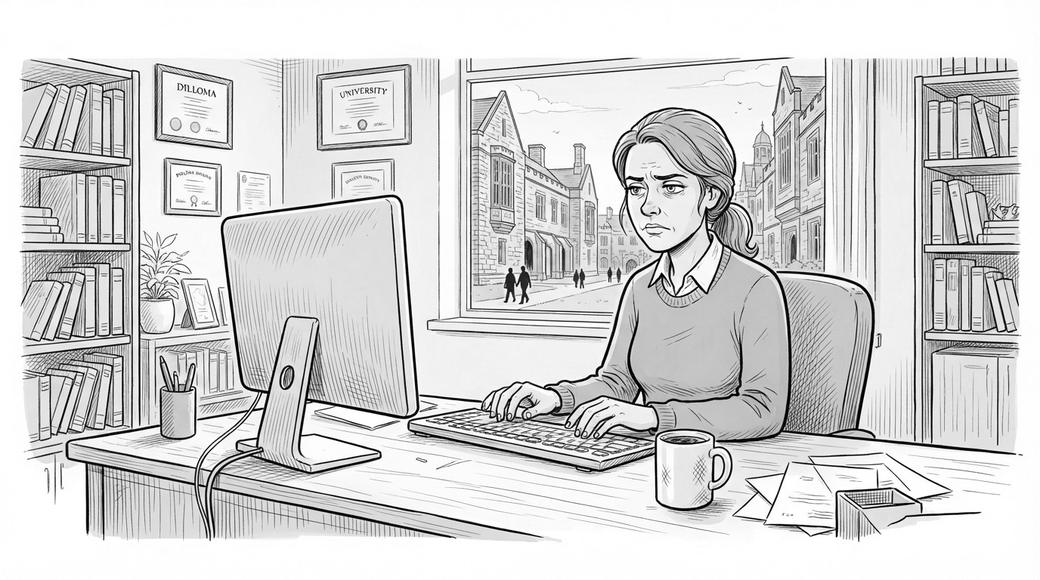
In September 2019 Dr Aleksander Owczarek was Acting Dean of the University of Melbourne’s Faculty of Science. A senior colleague, whom the decision does not name, reported directly to him. She did not want to go to a dinner he had booked, and arranged for the faculty’s HR manager to ring her partway through so she would have an excuse to leave.
At the dinner he took her hand across the table and told her he loved her. The next morning he texted her, signing off “Yours always”. She took a week of sick leave and, in early October, told him she wanted only a professional relationship. He kept sending messages, a Christmas card and invitations to catch up, until in March 2021 she wrote: “I do not wish to catch up.” The HR manager then held an intervention. He apologised in writing and never contacted her again.
In 2023 he applied for a role that would put them back together. She made a formal complaint, an external investigator looked into it, and the University dismissed him in December 2023. At first instance the Commission found he had sexually harassed her, but held the dismissal unfair and reinstated him without back pay, mainly because the University had known about the dinner at the time and had dealt with it in 2021.
The University appealed. The Full Bench said the finding of sexual harassment was “neither tenuous nor doubtful, it was correct”. His intentions were irrelevant, and the fact that she had replied politely to unwelcome messages did not undermine her complaint. The delay did not stop the harassment being a valid reason for dismissal. But it could still make the dismissal harsh: the University “could and should have acted more decisively”. The appeal was dismissed, and the Full Bench warned him not to treat the result as vindication.
Replying politely, or not complaining formally straight away, does not make harassment welcome. Once an employer knows, it is expected to act firmly; if you raise harassment informally, it can help to ask in writing what will be done about it.
Decided by a Full Bench of the Fair Work Commission on 4 September 2026, on appeal from the first-instance decision [2024] FWC 1368. The complainant is not named in the decision.
A published decision of the Fair Work Commission (Full Bench), retold in plain English. Lawcaptain did not act in this case. Every outcome depends on its own facts. General information, not legal advice about your situation.
Talk to us.
Call 1300 967 552, or leave your details and we will call you.
Sexual harassment
 Drunk on the company-booked flight to site: her sacking stoodFair Work Commission · 2 October 2024Read the case study
 She complained of harassment, then her boss accused her of theftFederal Court of Australia · 31 October 2023Read the case study
 Taunted by a customer and a contractor, and both had to payFederal Circuit and Family Court of Australia · 31 March 2026Read the case study