After 41 years, he kept the overseas money and she kept the house
- Together
- 41 years, married
- Children
- Two, both adults
- Net pool
- Just over $300,000
- Result
- Home and mortgage to her
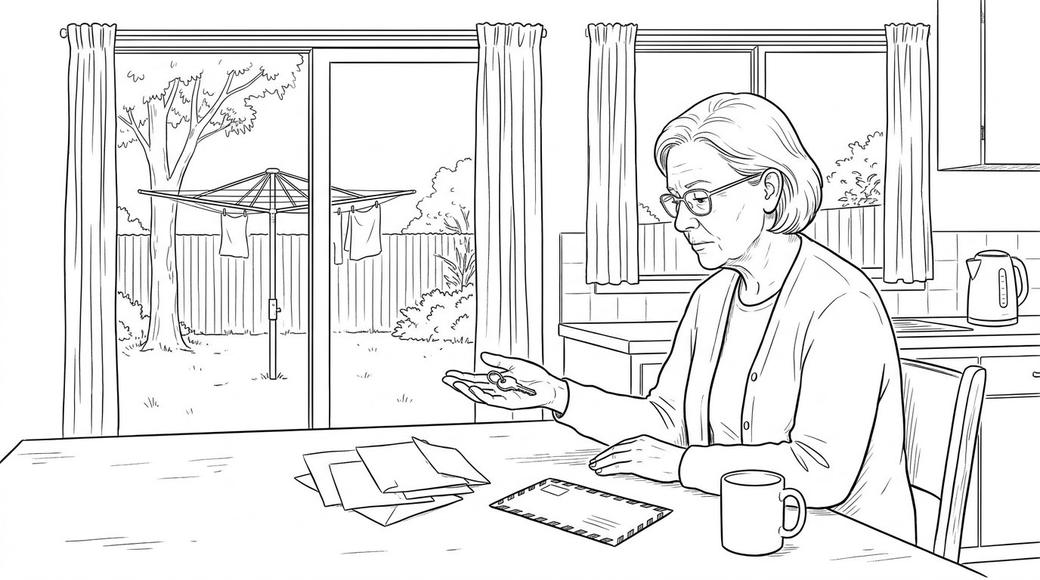
Ms and Mr Hansi married in 1977 and divorced in 2018. Their two children were adults. Both were in their sixties, both had health problems and both were on the aged pension. In Australia they had one asset of any size: their home, worth about $575,000 with a mortgage of $263,000, leaving equity of just over $300,000.
Mr Hansi asked for an equal split. Ms Hansi asked to keep the whole house. She said that he had kept everything the couple once owned overseas, including the proceeds of their former family home there, sold in 2016, and that he had never properly disclosed his bank accounts.
Judge Burchardt preferred the wife's evidence. The judge found that the husband had comprehensively failed to disclose, and had agreed to orders for disclosure and then not complied with them. Whatever the true sale price of the overseas home, the husband kept all of it, and the funds he kept were well in excess of $300,000. The judge chose not to add the money back into the pool, partly because the other overseas funds could not be valued, and instead weighed it in the overall assessment under s 75(2)(o), the catch-all factor about what justice requires.
Over 41 years, the judge found nothing to suggest the contributions were not equal; the wife had worked for long periods and had also been the main carer of the children. Both were unwell and on the pension, so there was no adjustment for future needs.
The judge ordered the husband to transfer his share of the home to the wife, who took it with its mortgage, and each kept what was already in their own hands. The judge noted that if the overseas money had been added back, the couple would have received roughly equal shares in any event.
If a former partner holds money overseas and will not disclose it, the court does not need an exact figure. It can take the missing money into account when deciding who keeps what is left in Australia.
Decided before the property reforms of 10 June 2025. The judge weighed the husband's conduct under s 75(2)(o), the old catch-all. For property cases that catch-all is now s 79(5)(v) of the Family Law Act 1975 (Cth), s 79(5) now also names wastage expressly, and the duty of full and frank disclosure is now written into the Act (s 71B).
A published decision of the Federal Circuit Court of Australia, retold in plain English. Lawcaptain did not act in this case. Every outcome depends on its own facts. General information about Australian family law, not legal advice about your situation.
Sort out your own property split.
Agreed on a split? Make it binding with consent orders. Call 1300 967 552, or get an instant quote online.
Long relationships
 She said their money was separate for 20 years. He was awarded 35%TogetherAbout 20 years, de factoChildrenNone togetherNet poolAbout $2.7m, incl. superSplit65% her / 35% himFederal Circuit and Family Court of Australia (Division 2) · 24 December 2025Read the case study
 A 38-year marriage, a controlling husband and 67.5% for the wifeTogether38 years, marriedChildrenTwo, both adultsNet poolAbout $5.48m, incl. superSplit67.5% her / 32.5% himFederal Circuit and Family Court of Australia (Division 2) · 11 April 2025Read the case study
 Forty years, one modest home, and a 52/48 split for the older husbandTogetherAbout 40 years, marriedChildrenFour, all adultsNet poolAbout $982,500Split52% him / 48% herFederal Circuit and Family Court of Australia (Division 2) · 19 September 2024Read the case study