Super spent after separation, step-children and a 51/49 split
- Together
- Almost 12 years, married
- Children
- Two, one with each parent
- Net pool
- $420,977 including super
- Split
- 51% her / 49% him

Ms and Mr Stevens began living together in late 2008 in a house he had bought that year, married in 2011 and separated on 20 June 2020. He worked full time as a factory supervisor and was the financial provider; she was the homemaker and primary carer of their two children, now 16 and 13. Her two older children from earlier relationships lived with them too, and their fathers paid no child support. He hurt his back at work in 2014, was made redundant in 2019 and has since retrained as a community worker. She runs a small retail business earning about $400 a week.
Both agreed their contributions over the marriage were equal. The main fight was over money he had taken from his super after separation: $196,731 after tax, including a disability insurance payout. She sought 60% overall; he sought 55% for himself.
Judge Taglieri applied the law as amended from 10 June 2025. Following the Full Court, there were no notional add-backs. Instead, wastage is weighed when looking at each person's current and future circumstances. Ms Stevens accepted that $96,000 had gone on the mortgage. She bore the burden of proving waste, and given his low income for years the judge was not persuaded the rest was wasted. But $18,000 spent on sports clothing to resell, which he called a distraction, was reckless waste. That earned her 1%.
The judge then added 5% to her for her much lower earnings and her limited ability to build super, and 5% to him for supporting her two older children for years. The net result was 51% to her of the $420,977 pool, or $214,698. She keeps her car, business and super, receives a super split of $16,778, and must be paid $143,234 within 30 days, failing which the house is to be sold.
Under the amended law, money spent after separation is not simply added back. You have to show it was wasted intentionally or recklessly, and only the part you prove will count. Support given to a partner's children from an earlier relationship can also count.
Decided under the Family Law Act 1975 (Cth) as amended from 10 June 2025, applying Shinohara & Shinohara [2025] FedCFamC1A 126 on add-backs.
A published decision of the Federal Circuit and Family Court of Australia (Division 2), retold in plain English. Lawcaptain did not act in this case. Every outcome depends on its own facts. General information about Australian family law, not legal advice about your situation.
Sort out your own property split.
Agreed on a split? Make it binding with consent orders. Call 1300 967 552, or get an instant quote online.
Relationships with children
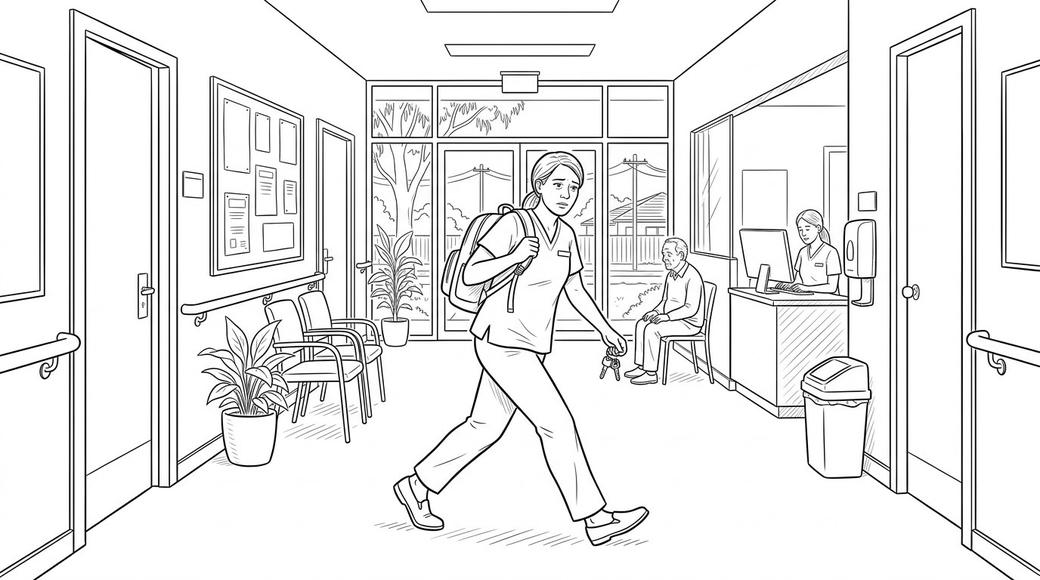 Full-time care, a casual job, and 75% of the property outside superTogether15 years, marriedChildrenTwo, with their motherNet pool$520,547 outside superSplit75% her / 25% himFederal Circuit and Family Court of Australia (Division 2) · 28 June 2024Read the case study
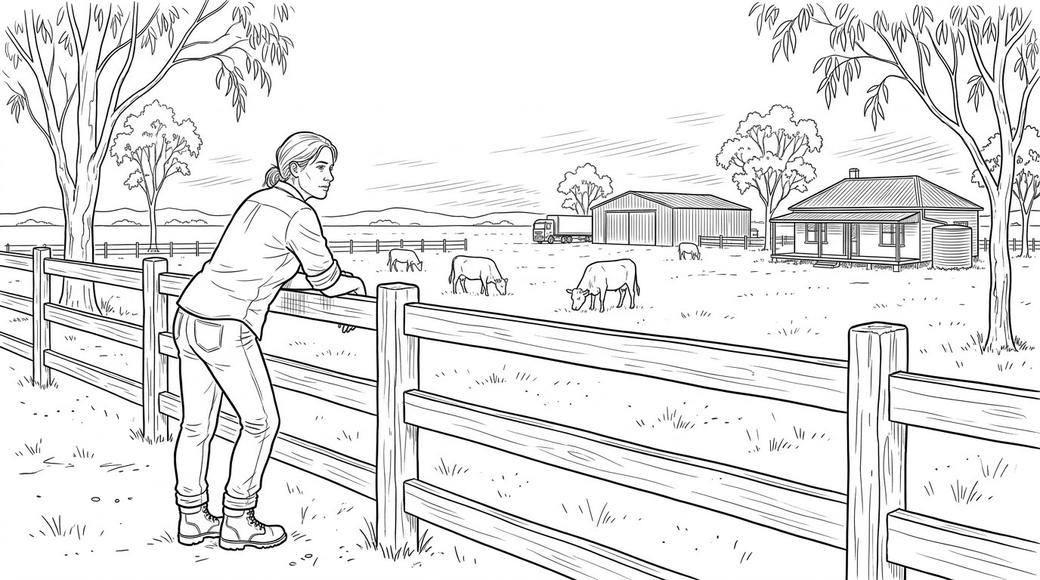 He brought in property and bought a business: 57.5% to himTogether2002 to 2016, one breakChildrenTwoNet poolAbout $949,000 with superSplit57.5% him / 42.5% herFederal Circuit and Family Court of Australia (Division 2) · 22 September 2023Read the case study
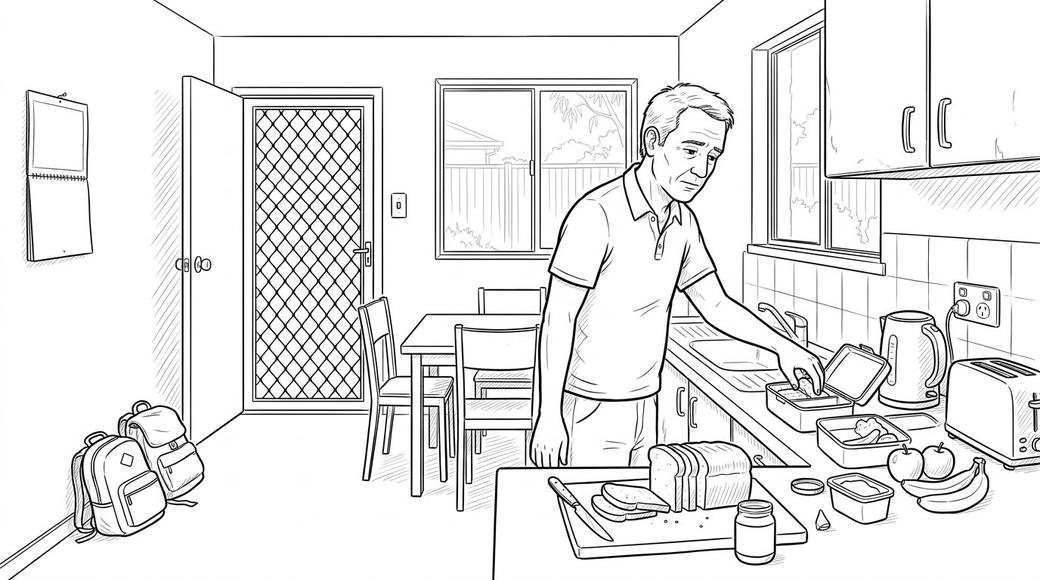 On a pension with the children, he was awarded 80% outside superTogetherAbout 15 years, marriedChildrenTwo, with their fatherNet pool$171,250 outside superSplit80% him / 20% herFederal Circuit and Family Court of Australia (Division 2) · 28 October 2025Read the case study