Two complaints about different conduct can run side by side
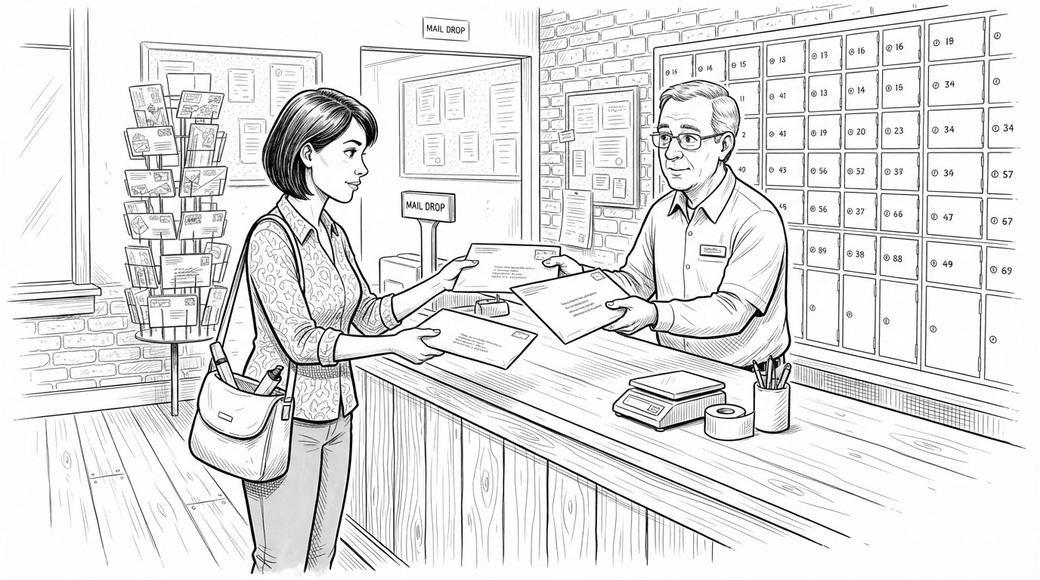
Annemarie Clarke Chesaites came to Australia from the United Kingdom in October 2023 and went to work for Sentinel Community Services, an aged care and disability support provider in Taree, New South Wales. By March 2024 she was managing a supported independent living service. Her employment, from November 2023 until she was dismissed in June 2025, involved complaints in both directions.
She complained of bullying and of sexual harassment by colleagues: unwanted weekly invitations to drinks, comments about her appearance, rumours and repeated staring. The employer investigated and found her complaints unsubstantiated. Colleagues complained about her too, and the employer dismissed her for gross misconduct. The Commission has not decided any of these allegations, on either side.
In December 2025 she asked the Fair Work Commission to deal with a sexual harassment dispute about four former colleagues. She also complained to the Australian Human Rights Commission of race, sex and age discrimination. The employer asked the Commission to throw out the Fair Work application. It said the law stops a person pursuing the same conduct in both places, called this “forum-shopping”, and argued there was no point anyway because the Commission cannot award damages.
Deputy President Slevin disagreed. The bar in s 734B of the Fair Work Act turns on the particular conduct complained of. Her Human Rights Commission form did not tick the boxes for sexual harassment, and the conduct described in each complaint was different, so the bar did not apply. Nor was the application pointless: the Commission’s role is to try to resolve the dispute and, if that fails, to issue a certificate that opens the way to court or, if both sides agree, to arbitration. The employer’s view that her claim lacked merit was a matter for the conference.
You generally cannot pursue the same conduct with both the Fair Work Commission and the Australian Human Rights Commission. Different conduct can go to each, so it matters to be clear about which incidents each complaint covers.
This was a preliminary decision. The Commission did not decide whether any harassment happened; the dispute was sent on to a private conference.
A published decision of the Fair Work Commission, retold in plain English. Lawcaptain did not act in this case. Every outcome depends on its own facts. General information, not legal advice about your situation.
Talk to us.
Call 1300 967 552, or leave your details and we will call you.
Sexual harassment
 Drunk on the company-booked flight to site: her sacking stoodFair Work Commission · 2 October 2024Read the case study
 She complained of harassment, then her boss accused her of theftFederal Court of Australia · 31 October 2023Read the case study
 Harassment proven, yet the professor was reinstatedFair Work Commission (Full Bench) · 4 September 2026Read the case study