What counts as bullying
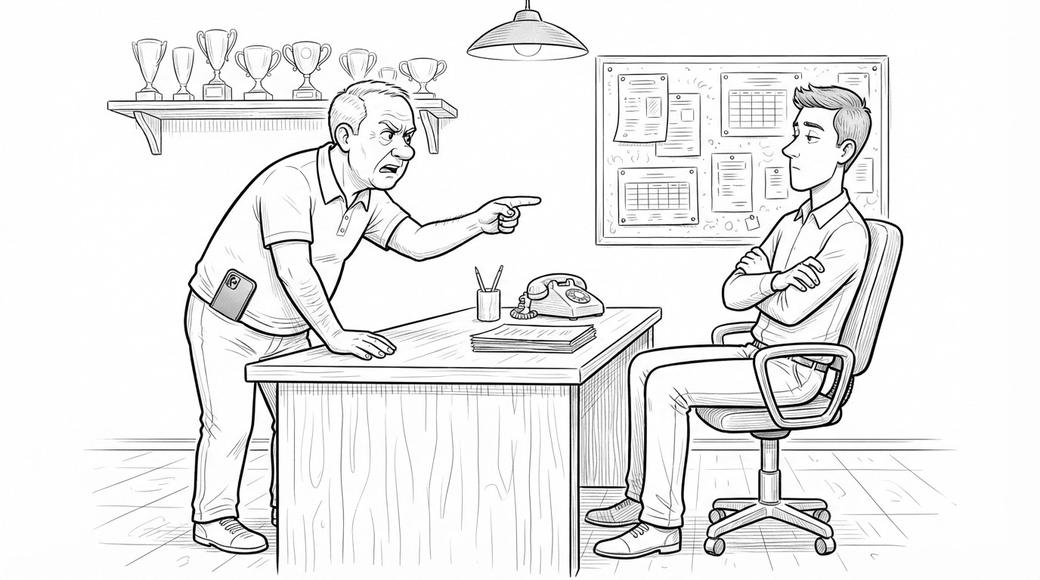
Under s 789FD of the Fair Work Act, you are bullied at work if, while you are at work in a constitutionally-covered business, an individual or a group of individuals repeatedly behaves unreasonably towards you, or towards a group of workers you belong to, and that behaviour creates a risk to health and safety.
Read moreShow less
Repeated
One incident is not enough. There is no set number, and it does not have to be the same behaviour each time — a pattern of different unreasonable acts over time can qualify, as long as there is more than one.
Unreasonable
The test is objective: would a reasonable person, looking at all the circumstances at the time, consider the behaviour unreasonable? Feeling hurt or unfairly treated is the start of the question, not the answer.
A risk to health and safety
The behaviour has to create a risk to your health and safety. That includes psychological health. Evidence of the effect on you — a GP's notes, time off, a counsellor's letter — helps show the risk is real.
While you are at work
You are at work whenever you are performing work, wherever and whenever that happens, and also while you are doing something your employer authorises or permits, such as a meal break on site. The person doing the bullying does not have to be at work themselves. Messages or posts can count if you read them while you are at work.
After 25 years, a new CEO, then an email: “Dropping like flies”
Read the full storyShow less
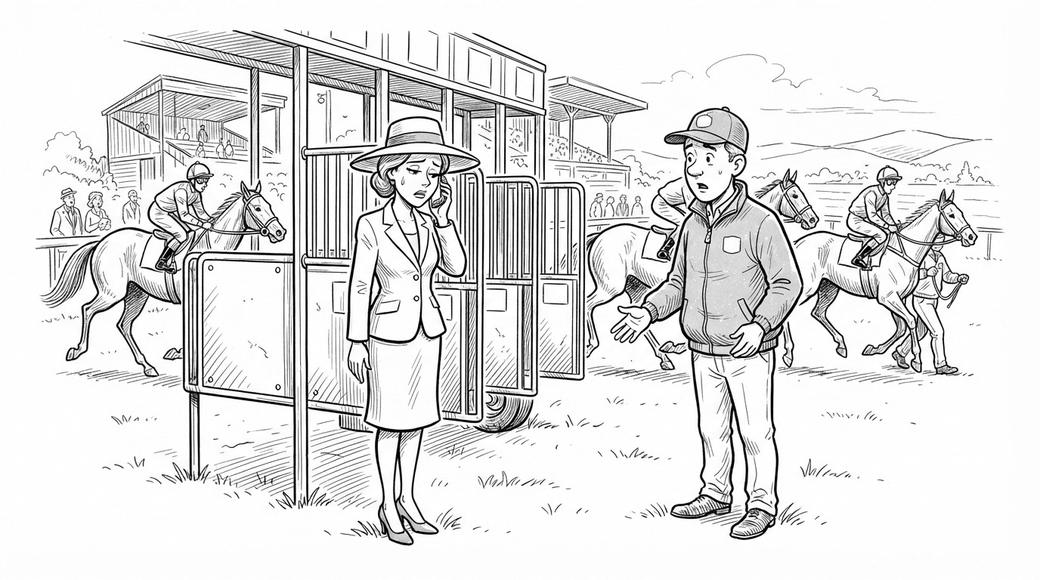
Vivienne Leggett began working for Hawkesbury Race Club in January 1991, aged 28. For 25 years she found and looked after the sponsors for its race days, paid largely on commission and trusted to run her own patch. In May 2016 the club hired a new chief executive, Greg Rudolph. At their first meeting, the court found, he told her she was earning “too much money”.
What followed was what Justice Rares called “overbearing micromanagement”: interrogation over a $15 parking fee, demands for long answers by close of business, her authority to make routine decisions taken away. In July she emailed him that she was losing sleep. He took legal advice and said nothing about how she was. She told three directors how she was feeling, crying as she did. None of them acted.
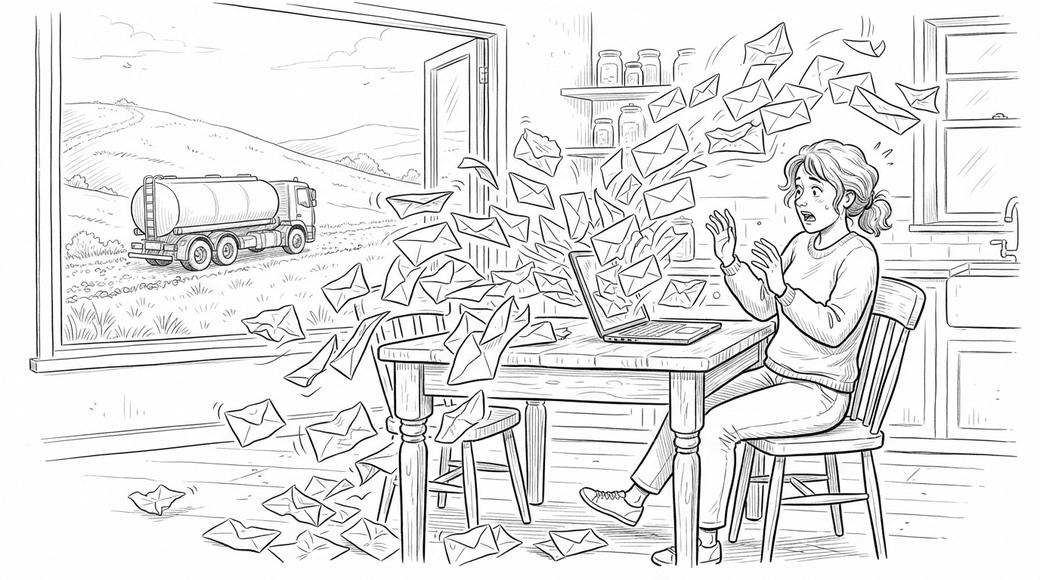
On 9 October 2016 the assistant starter invited her to watch a race from the barriers. Mr Rudolph rang and ordered her back. That night she emailed him a complaint and asked him to tell the board. His reply the next morning summoned her “to discuss your work performance”. When she sent in a medical certificate for work stress, he forwarded it to his father-in-law with the comment “Dropping like flies”. She has not been able to work since.
The court found the club negligent. Her email and what she told the directors were warning signs that she was at risk of psychiatric injury if the bullying went unchecked. The performance meeting, and holding back her commissions, were unlawful adverse action because she had complained and taken sick leave. The judge awarded $200,000 under the Fair Work Act, saying the club’s conduct had “effectively destroyed Mrs Leggett’s life”. A later judgment added her past and future lost earnings, free of the NSW workers compensation cap, and agreed penalties of $160,650, payable to her.
If the way you are being treated at work is making you unwell, it matters that you say so, in writing and to more than one person. Here those warnings were what made the employer responsible, and the complaint itself was protected by law.
The amount was worked out in a later judgment, Leggett v Hawkesbury Race Club Limited (No 4) [2022] FCA 622, where the judge held that the limits in the NSW workers compensation law did not cap compensation under the Fair Work Act. Damages for a work injury claimed in negligence are limited differently in each state.
Reasonable management action is not bullying
Section 789FD(2) says that reasonable management action carried out in a reasonable manner is not bullying. This is where many applications fail. Managers are entitled to manage — to set work, give directions, raise performance concerns, run a performance improvement plan, investigate a complaint and discipline — provided both the action and the way it is done are reasonable.
Read moreShow less
The Commission does not decide whether it agrees with management's view of your work. Where a performance process is challenged, the question is whether it lacked any evident and intelligible justification, so that a reasonable person would regard it as unreasonable. A process you think is wrong is not the same as one that is unreasonable.
- Likely reasonable management action: a performance plan based on documented concerns; a direction to follow a lawful policy; a fair investigation of a complaint against you.
- Can still be bullying: the same processes done in a humiliating way, in public, with shifting goalposts, or singling you out when others doing the same thing are left alone.
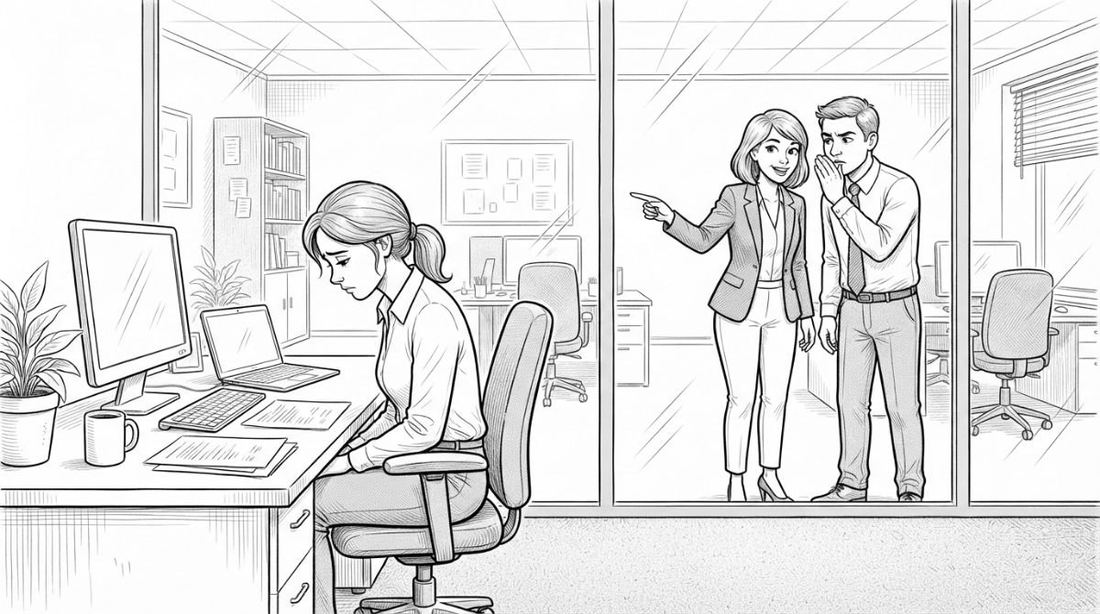
- Not management action at all: insults, exclusion, sabotage, yelling, spreading rumours, or unwanted messages outside work that you read at work.
Who can apply
Any worker who reasonably believes they have been bullied at work can apply (s 789FC). "Worker" has the broad meaning it has in work health and safety law: an employee, but also a contractor, subcontractor, outworker, apprentice, trainee, student on work experience or volunteer. Members of the Defence Force are excluded.
Read moreShow less
The catch is the business. The bullying must happen while you are at work in a constitutionally-covered business — broadly, one run by a trading or financial corporation, the Commonwealth or a Commonwealth authority, or a business conducted principally in a Territory or a Commonwealth place (s 789FD(3)). That leaves out sole traders and partnerships of individuals (unless the business is run principally in a Territory or a Commonwealth place), and State government departments.
The bullying was clear. Then the bully quit, so no order could be made
Read the full storyShow less
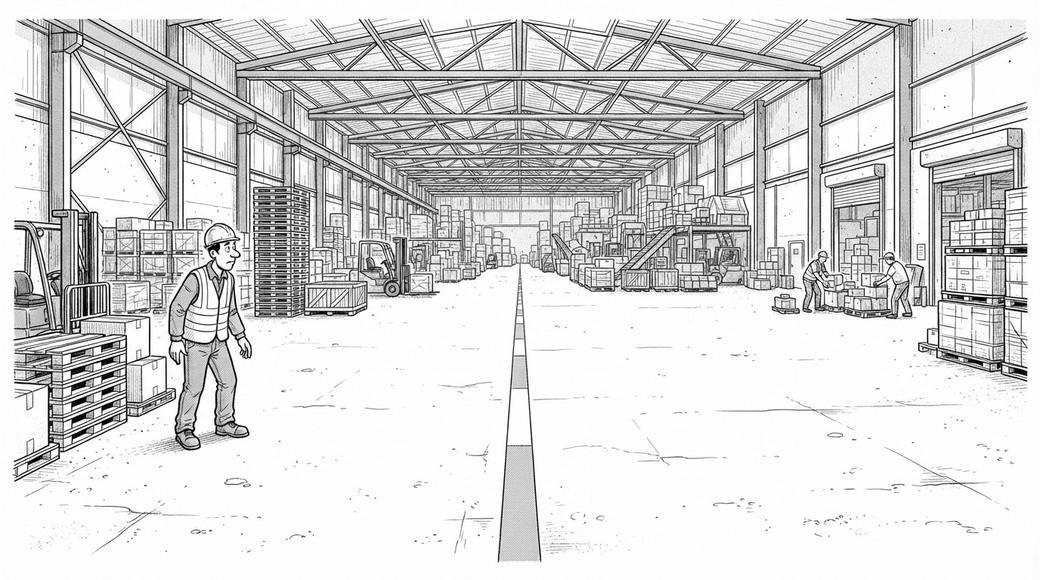
Feyzullah Kaya worked at Team Global Express’s Webb Dock depot in Melbourne, which moves freight to and from Tasmania. In February 2022 he complained that a co-worker, Christopher Catania, was abusing him: name-calling, swearing, and unwanted physical contact. The company’s own investigation upheld his complaints. Mr Catania was given a written warning and the two men were put on opposite sides of the depot.
It did not stop the bullying. On 10 June 2022 Mr Kaya left work after, he said, Mr Catania called him a “Dog”, and days later he applied for a stop-bullying order. When he briefly returned in May 2023, a second investigation found that Mr Catania had bullied him further in 2022, and the company began considering dismissing him for serious misconduct. Mr Catania resigned before it finished. Soon afterwards he sent Mr Kaya an abusive Facebook message.
Commissioner Lee found that Mr Catania’s conduct “most certainly” amounted to bullying: repeated physical aggression and verbal abuse. The Commissioner also found that Mr Kaya had “been let down by his employer”, and that his supervisor had encouraged him not to report it.
But the law gave him no power to act. A stop-bullying order exists to prevent future bullying, not to punish the past, and the man responsible had gone. The Commissioner was not satisfied that the two other men Mr Kaya complained about had bullied him, and they were being kept apart from him: one would work about 150 metres away and start two hours earlier, the supervisor would no longer manage him, and both would use separate lunchrooms and bathrooms. With no remaining risk, there was no jurisdiction to make an order, and the application was dismissed. The Commissioner stressed that this “is not a failure of the Applicant”, and encouraged him to return to work once his doctors cleared him.
A stop-bullying order can only stop bullying that is likely to continue; it cannot punish anyone or pay you compensation. If the person has left, the application may end, though other routes, such as workers compensation, are separate from it.
What the Commission can and cannot do
You apply to the Fair Work Commission with a filing fee — $92.70 from 1 July 2026. The Commission must start dealing with your application within 14 days (s 789FE), for example by gathering information, calling a conference or listing a hearing.
Read moreShow less
To make an order, the Commission must be satisfied of two things (s 789FF): that you have been bullied at work, and that there is a risk you will continue to be bullied at work by the same person or group. If it is, it can make any order it considers appropriate to prevent the bullying. Orders can be directed at named individuals and at the employer — for example, rules about how particular people deal with you, or a review of the employer's policies and training.
| The Commission can | The Commission cannot |
|---|---|
| Order the behaviour to stop, and set rules for how people deal with you | Order anyone to pay you money — s 789FF rules out any pecuniary order |
| Take into account an internal investigation or grievance process already under way | Punish anyone — the jurisdiction is preventive, not punitive |
| Make orders against individuals and against the employer | Make an order once there is no risk the bullying will continue |
Breaching a stop-bullying order is a contravention of a civil remedy provision (s 789FG), which can be taken to court.
If you have left, the order is usually gone
Because an order needs a risk that the bullying will continue, the Commission cannot make one once you have stopped working there, and an application made after you have left will generally be dismissed as having no reasonable prospect of success. The risk also has to come from the same person or group who bullied you — not from other people, or from the organisation in general — so an application can fail if that person has moved on.
The routes that can pay, or protect you
Because a stop-bullying order cannot compensate you, people who have been seriously affected usually need one of these other routes as well, or instead. Several can run at the same time; some cannot.
Read moreShow less
Your work health and safety regulator
Work health and safety laws require a business to ensure, so far as reasonably practicable, the health and safety of its workers, and "health" expressly includes psychological health (Work Health and Safety Act 2011 (Cth) ss 4 and 19, and the state laws built on the same model). You can report bullying to your state's safety regulator. Applying to the Fair Work Commission does not stop you doing so (s 789FH).
Workers' compensation
If bullying has caused a psychological injury, a workers' compensation claim may cover lost wages and treatment costs. Each state runs its own scheme with its own rules and exclusions for psychological injury, so check the scheme in your state early.
General protections, if you were punished for complaining
An employee's right to make a complaint or inquiry about their employment is a workplace right (s 341). If you complained about bullying and were then demoted, rostered off, disciplined or sacked because of it, that is adverse action under s 340. A general protections claim can bring compensation, including for hurt and distress. If you were dismissed, the limit is 21 days. See general protections.
Unfair dismissal, if you were forced out
Resigning because the employer's conduct left you no real choice can be a dismissal in law. An unfair dismissal claim must be lodged within 21 days of the day your employment ended. See unfair dismissal.
Negligence — the employer's duty of care
Employers owe their employees a duty to take reasonable care to avoid exposing them to unnecessary risks of injury. An employee who suffers a psychiatric injury from bullying the employer knew about, or should have foreseen, and failed to deal with may be able to sue for damages. These claims turn on foreseeability — whether a reasonable employer would have seen the risk of psychiatric injury to you — and they interact with the workers' compensation rules in each state, so get advice before relying on one.
Discrimination and sexual harassment
If the bullying is because of your sex, race, age, disability or another protected attribute, or it is sexual, discrimination and sexual harassment laws apply and can award compensation. See discrimination and sexual harassment.
What to do now
- Write it down. Date, time, who, what was said or done, who saw it. Keep emails, messages and screenshots somewhere other than a work device.
- Use the internal process if it is safe to. A written complaint creates a record, and making a complaint about your employment is a workplace right. The Commission must take any grievance process, and its outcome, into account when framing an order.
- See your GP if it is affecting your health. The record matters for a stop-bullying application, a workers' compensation claim and any later claim.
- Decide what you want. To stay and have it stop points to a stop-bullying application. To be compensated points to the other routes above — and the clock for some of them is short.
- Consider getting professional advice before you resign. Leaving ends a stop-bullying application and starts a 21-day clock for any dismissal claim.